


Few travel experiences in Japan feel as memorable as stepping into a warm outdoor bath while surrounded by mountain air, snowy landscapes, or quiet traditional streets. While many visitors initially focus on famous cities and food destinations, onsen culture often becomes one of the most rewarding parts of the journey.
Travelers searching for the best onsen in japan are usually looking for more than just hot water. The atmosphere, surrounding scenery, local traditions, and slower pace of travel all play an important role in shaping the experience. Some prefer remote mountain towns with traditional ryokan, while others enjoy modern wellness retreats with private baths and scenic views.
Across the country, hot spring destinations vary dramatically depending on the season and region. Northern areas become especially popular during winter, while mountain villages in central Japan attract visitors looking for peaceful scenery and a more traditional atmosphere.
Why Onsen Culture Feels Different From Regular Travel Experiences
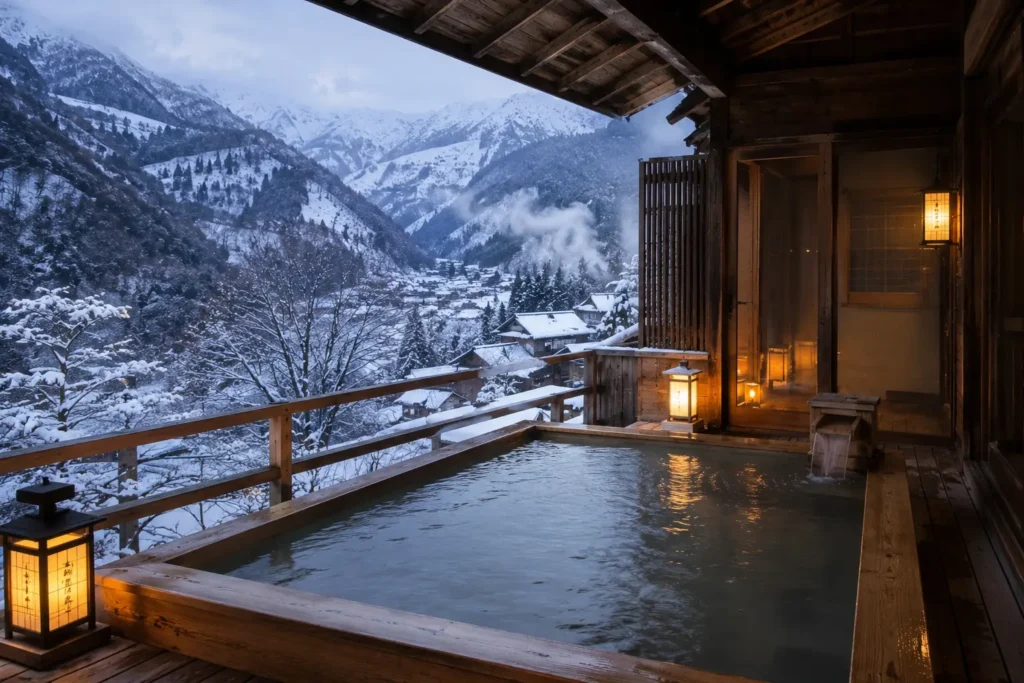
Unlike many modern travel experiences focused on fast-paced sightseeing, onsen culture encourages travelers to slow down and enjoy the surrounding environment. The experience is often connected to nature, seasonal scenery, and traditional Japanese hospitality.
Many hot spring towns were originally built around natural geothermal sources hundreds of years ago. Over time, these areas developed into destinations where travelers could rest, recover, and enjoy a quieter side of Japan away from crowded city districts.
Today, travelers still visit these destinations not only for relaxation but also for cultural immersion. Traditional inns, local cuisine, wooden architecture, and mountain landscapes all contribute to the atmosphere that makes Japanese hot spring travel feel unique.
- Open-air baths surrounded by nature
- Traditional ryokan experiences
- Quiet mountain town atmosphere
- Seasonal scenery throughout the year
- Relaxing travel pace compared to major cities
Snowy Outdoor Baths in Hokkaido and Northern Japan
Winter remains one of the most iconic seasons for hot spring travel, especially in northern Japan where snow-covered landscapes completely transform the atmosphere of outdoor bathing areas. Steam rising into cold mountain air creates a peaceful setting that many travelers associate with classic Japanese winter scenery.
Hokkaido is particularly popular for travelers looking for snowy rotenburo experiences combined with seasonal food, ski destinations, and quieter natural surroundings. Some visitors spend several days exploring regional winter destinations instead of staying only in major cities.
Many travelers planning winter trips also search for nearby cultural activities and local experiences beyond the hot springs themselves. Travelers exploring northern Japan often look into things to do in sapporo before continuing toward smaller mountain areas and traditional hot spring towns.
Unlike crowded urban destinations, many winter onsen areas feel slower and more intimate. Snow-covered streets, warm lantern lighting, and quiet evening walks often become part of the overall travel experience.
Traditional Mountain Towns Known for Hot Spring Culture
Some of the most memorable hot spring destinations in Japan are located in smaller mountain towns where traditional architecture and local culture have remained relatively preserved over time.
These towns often feature narrow walking streets, wooden ryokan buildings, riverside pathways, and local restaurants serving seasonal dishes. Rather than focusing on nightlife or shopping districts, the atmosphere revolves around relaxation and slower travel experiences.
In many destinations, travelers walk through town wearing yukata after visiting the baths. Small cafes, local snack shops, and scenic viewpoints create a much more immersive experience compared to staying entirely inside large hotel properties.
Mountain onsen destinations also change significantly depending on the season. Winter offers dramatic snowy scenery, while autumn brings colorful foliage surrounding rivers, forests, and outdoor baths.
- Traditional ryokan districts
- Scenic mountain surroundings
- Historic bath culture
- Quiet evening atmosphere
- Seasonal local cuisine
Private Bath Experiences Becoming More Popular
In recent years, many international travelers have become increasingly interested in private bathing experiences instead of only communal bath facilities. Couples, families, and honeymoon travelers often prefer accommodations that provide a quieter and more personal atmosphere.
Some traditional ryokan now offer reservable private baths, while newer accommodations include open-air baths directly connected to guest rooms. Travelers searching for more secluded wellness experiences frequently begin by researching guides about finding a hotel onsen japan that combines modern comfort with traditional bathing culture.
Private baths have become especially popular during winter when travelers can enjoy snowy mountain scenery in a quieter environment without crowded public spaces. Many visitors also appreciate the flexibility and convenience that private facilities provide during longer trips.
Despite the growing popularity of private baths, communal bathing remains an important part of Japanese hot spring culture. Some travelers enjoy experiencing both styles during the same trip depending on the destination and type of accommodation.
Different Seasons Create Completely Different Atmospheres
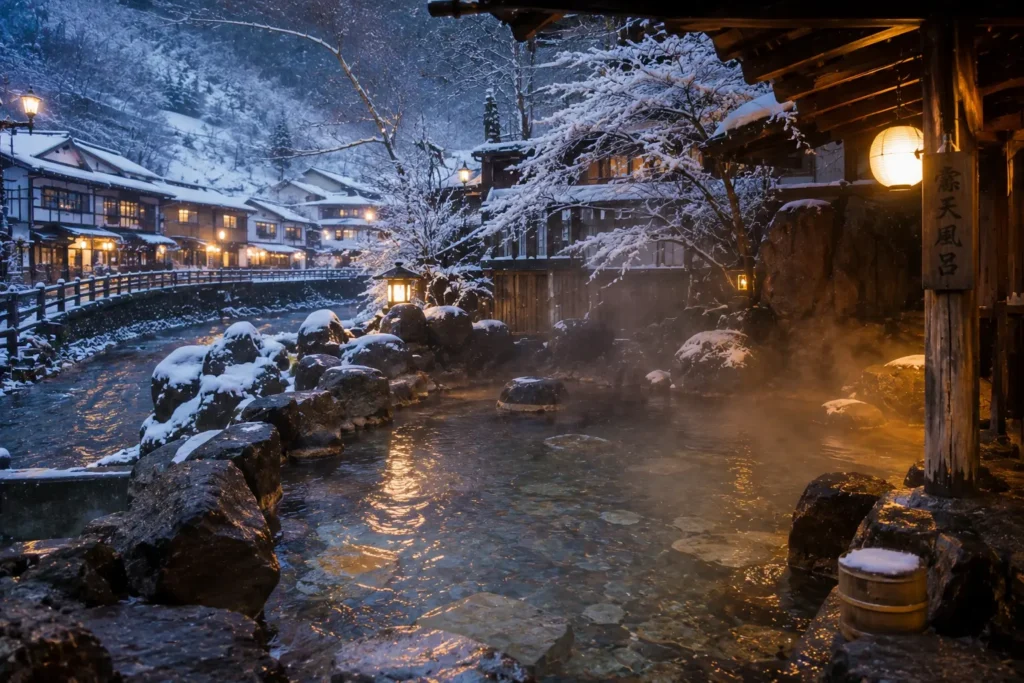
One of the reasons onsen travel remains so popular year-round is that every season creates a different atmosphere. Travelers often return to the same destination during another season simply to experience a completely different mood.
| Season | Typical Onsen Atmosphere |
|---|---|
| Winter | Snow scenery and dramatic outdoor baths |
| Spring | Cherry blossoms and mild temperatures |
| Summer | Green mountain landscapes and quieter surroundings |
| Autumn | Colorful foliage and cool evening air |
Winter remains the most visually iconic period, but many travelers actually prefer autumn because of the combination of cooler weather and vibrant mountain scenery. Spring is also extremely popular in areas where cherry blossoms surround riverside bath districts.
Summer tends to feel quieter in some mountain destinations, making it attractive for travelers who want a more peaceful atmosphere without large tourist crowds.
Planning a Multi-City Onsen Trip Across Japan
Many travelers no longer limit their trips to only Tokyo or Osaka. Instead, multi-city travel routes have become increasingly common, especially among visitors wanting to experience regional culture and natural scenery.
Some travelers combine major cities with smaller hot spring destinations to create a more balanced itinerary. A typical route might include urban sightseeing, food experiences, scenic train travel, and several days in quieter mountain regions.
Read Also: japan itinerary
Transportation convenience is also one of the reasons why many onsen destinations continue growing in popularity. Improved rail connections make it easier for travelers to explore different regions without relying heavily on domestic flights.
For travelers wanting a slower pace, combining city exploration with hot spring stays often creates a more balanced and memorable travel experience compared to constantly moving between crowded tourist attractions.
What Travelers Usually Look for in the Best Onsen in Japan
While every traveler has different preferences, several qualities consistently appear in highly rated hot spring destinations across Japan.
- Beautiful natural scenery
- Clean and well-maintained baths
- Authentic local atmosphere
- Traditional Japanese architecture
- Peaceful surroundings
- Convenient transportation access
- Comfortable accommodations
Interestingly, luxury itself is not always the most important factor. Some smaller traditional inns located in scenic mountain villages leave stronger impressions than large commercial resorts because of the atmosphere and authenticity they provide.
Travelers increasingly value experiences that feel personal, immersive, and connected to the surrounding environment. This is especially true among visitors who want to explore a quieter side of Japan beyond major city centers.
FAQ About Onsen Travel in Japan
Are private onsen common in Japan?
Yes. Many ryokan and modern accommodations now offer reservable or in-room private baths, especially in destinations popular with international travelers.
Is winter the best season for onsen travel?
Winter is extremely popular because of snowy outdoor scenery, but spring and autumn also provide beautiful seasonal experiences depending on the region.
Do all onsen destinations require overnight stays?
No. Some destinations offer day-use bath facilities, although many travelers prefer overnight stays to fully enjoy the atmosphere and surrounding town.